What is Holistic Farming & Holistic Planned Grazing?
Holistic Planned Grazing (HPG) works in conjunction with Holistic Management (HM) in order to look after and manage the land and the livestock.
HPG starts with HM and it is a way of managing resources in challenging times.
HM assess and manages solutions by understanding how nature functions and by managing resources to create symbiotic relationships.
Using HM we are able to consciously address environmental, economic and social consequences, both in the short and long term.
Now more than ever we need HM due to climate change, failed agriculture, increased occurrence of floods and droughts, huge soil erosion.
Many of our existing farming models and practices are based on a flawed presumption of infinite growth from finite resources, this is inherently unsustainable.
Using HM to plan the HPG improves and land and brings regeneration. The presence of large grazing animals interacting with landscapes as nature intended is critical. Using HPG mimics this behaviour and helps reverse land degradation and increase productivity.
HPG helps sequester carbon back in to the soil. Organically rich soils feed soils bacteria, protozoans and fungi. Symbiotic relationships between these lead to greater plant available nutrients resulting in less dependence on outside fertiliser inputs. HPG helps increase the water holding capacity of the land which enables the land to be more drought resistant.
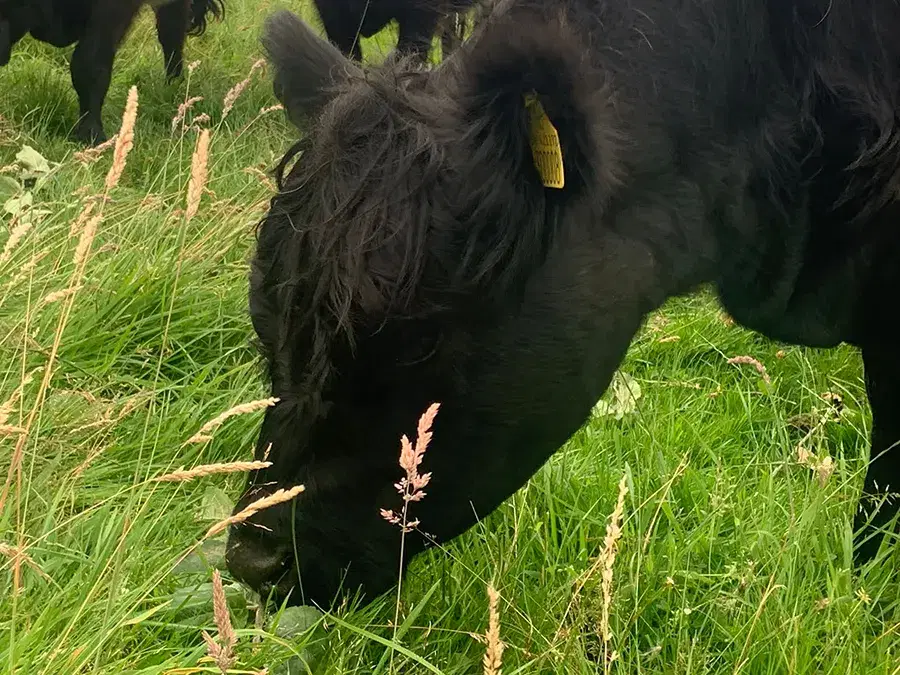
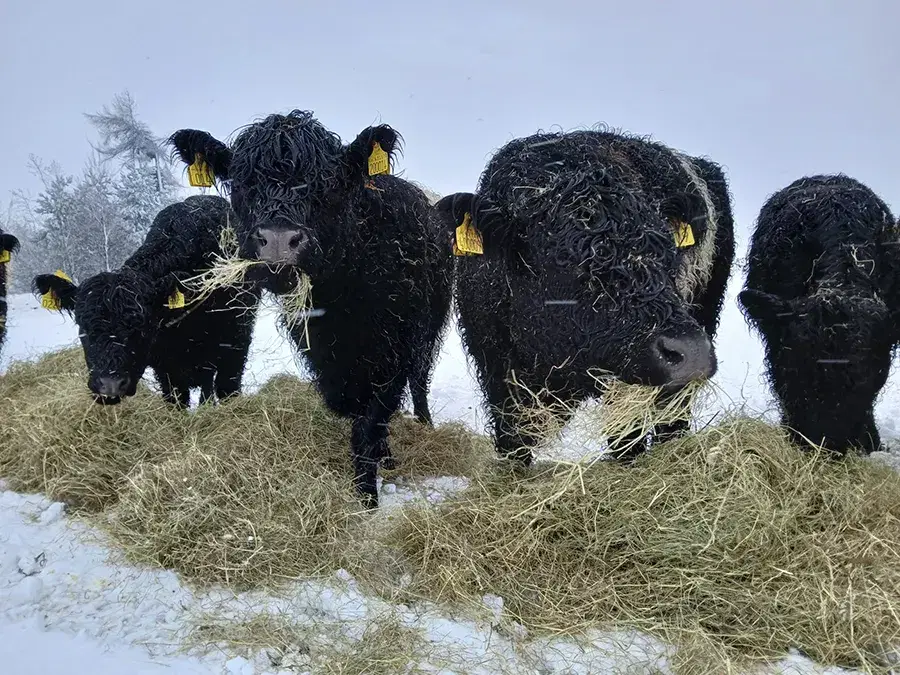
Using HM and HPG we view the farm as a whole, which is made up of smaller wholes. These all interact with each other and it’s important to know that we can not change or control one thing in one whole without it having an impact on something else in another area. Individual parts do not exist in nature, only wholes that form and shape each other. HM gives us a better chance of understanding all the moving parts and interactions of the farm.
When making decisions for the farm, each is weighed against which whole will benefit the most and which will suffer the greatest cost. We take into consideration, us as a farming family, the livestock, the soil, plants and wildlife. We then create of own HPG around these.
Our first focus in HM is the soil, that it is healthy, diverse and abundant. The soil is the gut of the ecosystem and its overall health starts here.
Along with our beliefs, faith and trust in God we use our Statement of Purpose, AKA Holistic Context to keep us aligned with the future we desire. When we are faced with a difficult decision to make, asking ourselves specific questions in relation to social, economical and environmental impacts, helps us to see where possible effects may have on the context of our Statement of Purpose. This simple process allows us to make decisions that are truly inline with our beliefs and desired values.
HM helps us to constantly be watching the consequences of our decisions so that we can react quickly if something needs changing or doing differently. Unintended consequences can happen all the time and it’s important we are on the look out for them.
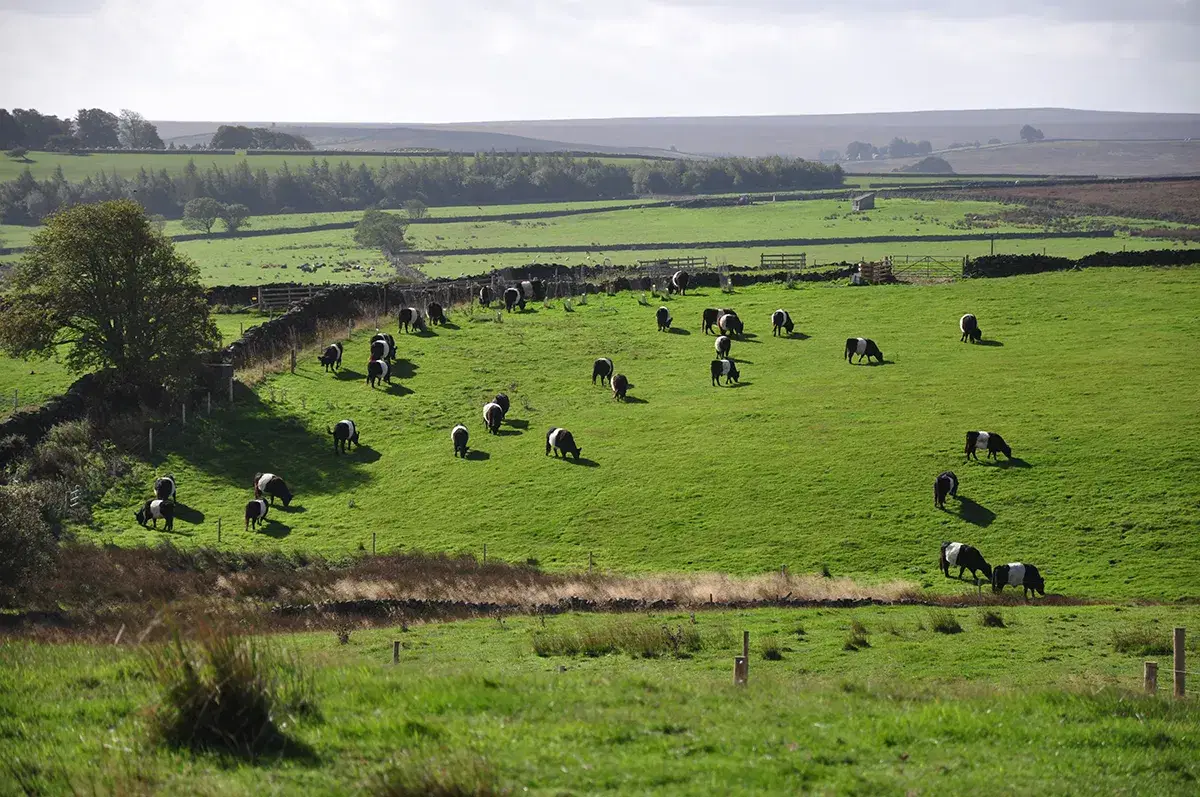
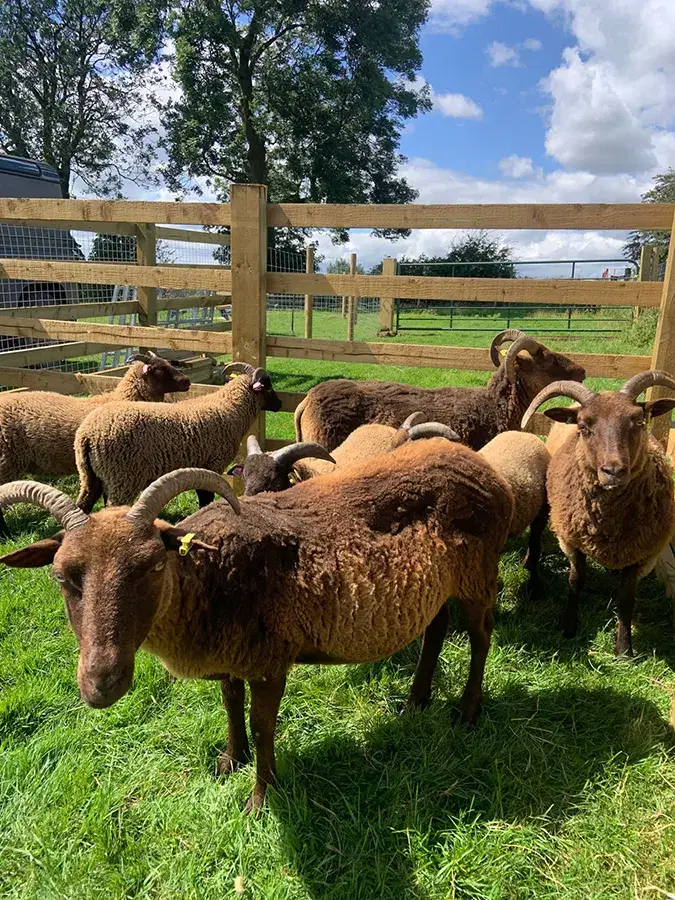
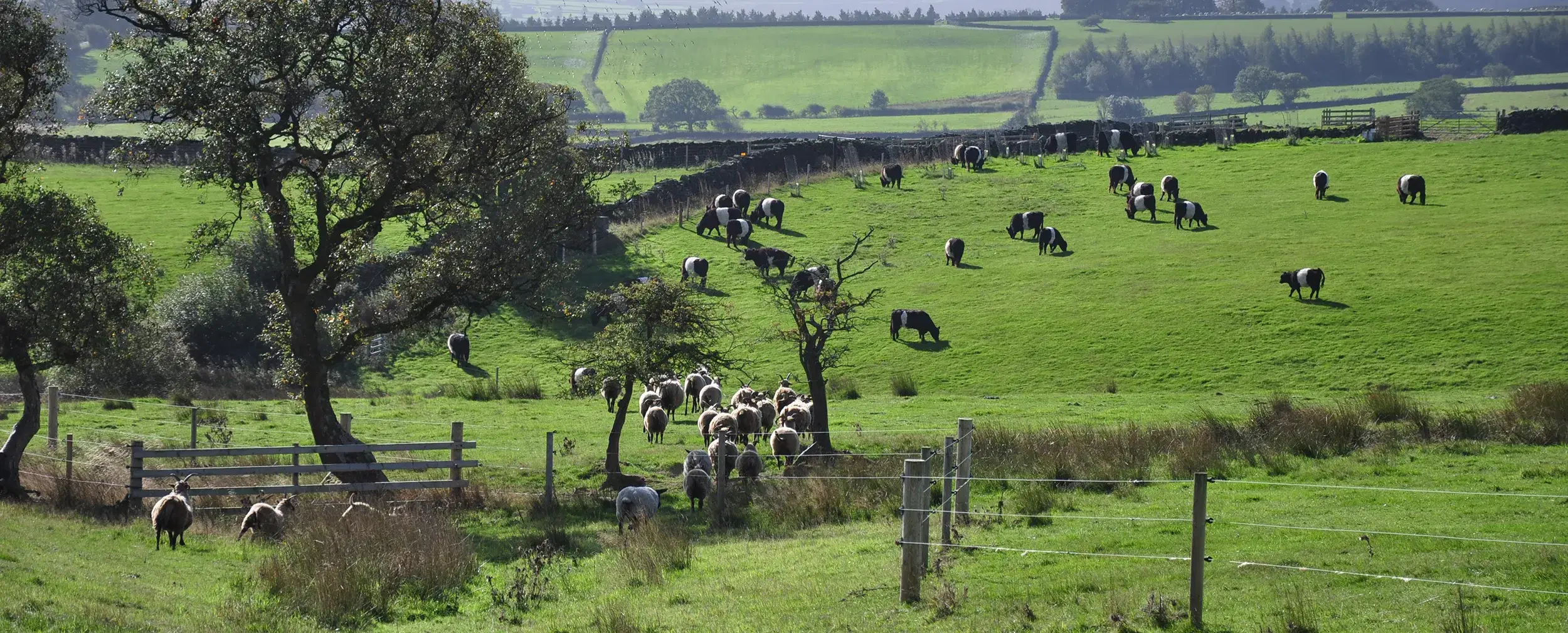
Our grazing year is carefully planned. We graze the livestock so that plants are not being eaten as they regrow from the previous/existing grazing, causing overgrazing of the flora. Our grazing land is split (currently in the process of splitting more fields) in to smaller grazing pastures in order to mimic natures predator/prey relationship.
With the smaller grazing area, the livestock move from pasture to pasture which gives a minimum of 30 days rest for the plants to regrow their foliage, but also, just as importantly, its roots. Ideally I would like to achieve a rest period of 60-90 days for the optimal benefit to the plants, soil and micro-biotic life.
I just don’t see how this can be realistically achieved unless we drastically reduce our livestock numbers. But that poses the question how would we afford to live.
So we do our best with what God has given us and trust in the process, even if we have to react to circumstances beyond our control and amend our plant as we go.
Statement of Purpose
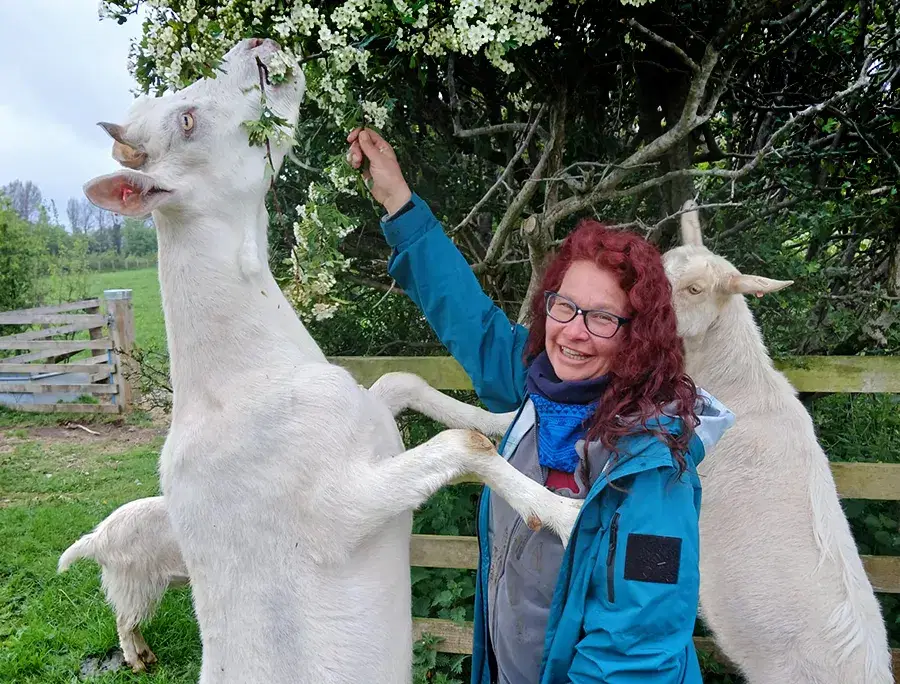
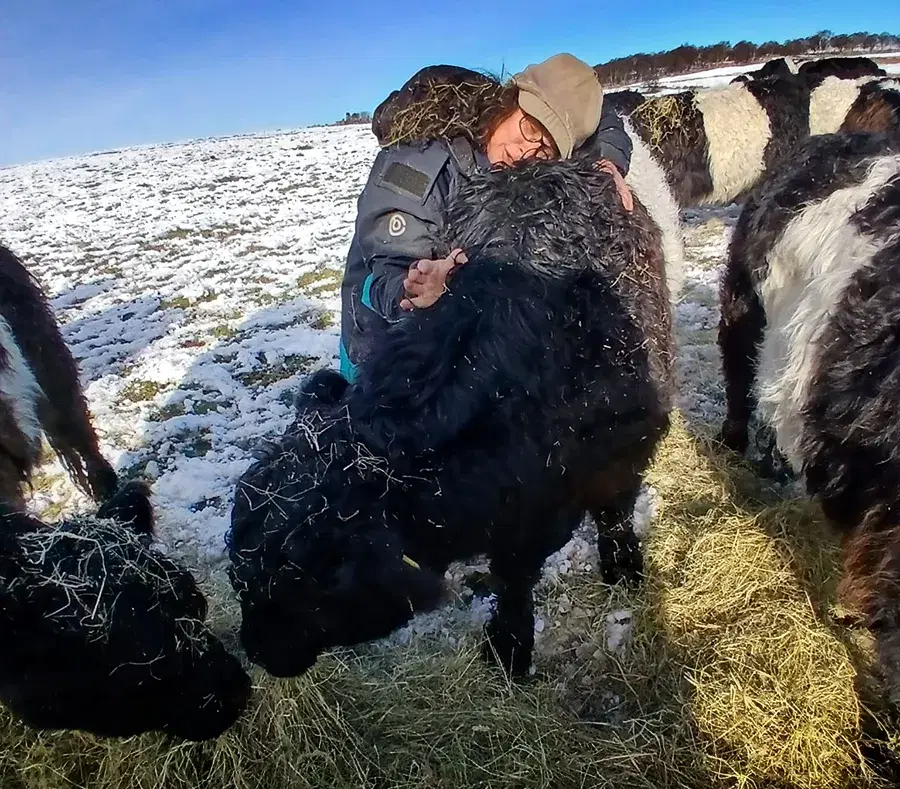
To regenerate wildflower meadows, providing valuable food and habitats to an increasing community of wildlife and insects. To provide food for our family that is free from chemicals and pharmaceuticals and packed full of nutrient dense calories, enabling our food to become our medicine.
Quality of Life
We are independent and healthy. We have meaningful relationships with family and friends. We are financially secure and providing for our family’s needs and wants. We have good communication with all people. We have strong bodies, eating home grown nutrient dense organic food. We have a vital life source of our own life-giving water. We live within a healthy intact and prosperous landscape. We live in harmony with all things. Our animals are living the best possible life we can give them, they too are eating natural organic healthy diets. We live with respect for each other and our environment around us. Ourselves and our animals’ live drug and chemical free, using our environment as therapy and our food as medicine.
Future Resource Base
We behave and treat people, our land, our animals and each other respectfully, honestly and ethically. We will attract honest and ethical people to conduct business with and have long-term relationships with these people. We must be hardworking and dedicated to providing the best we can. We must be loving and supportive. We must value compassion and communication.
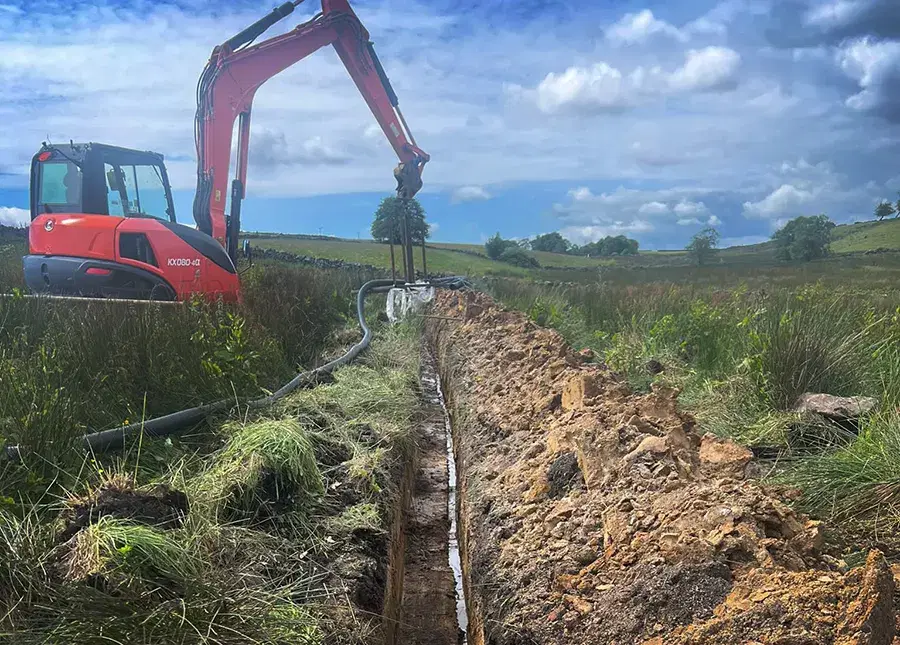
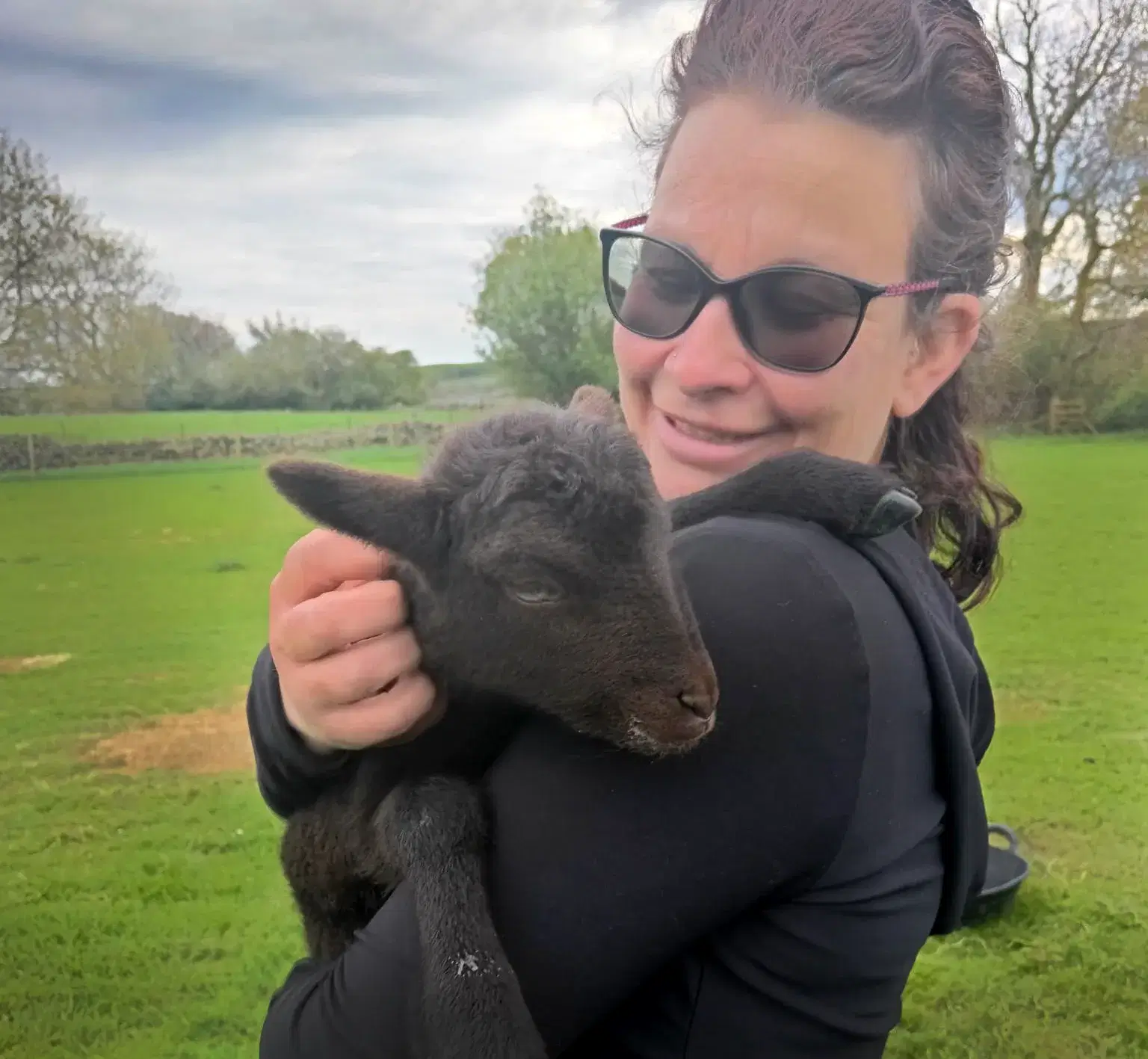
Our land around us will be stable, healthy and productive. Wildlife and vegetation will be abundant and diverse. Our soil will be well covered and full of life. We will have effective water and mineral cycles with high energy flow and rich biological diversity on the land we manage. Our hedges and trees will be healthy and strong, providing food and shelter to our animals and wildlife alike.
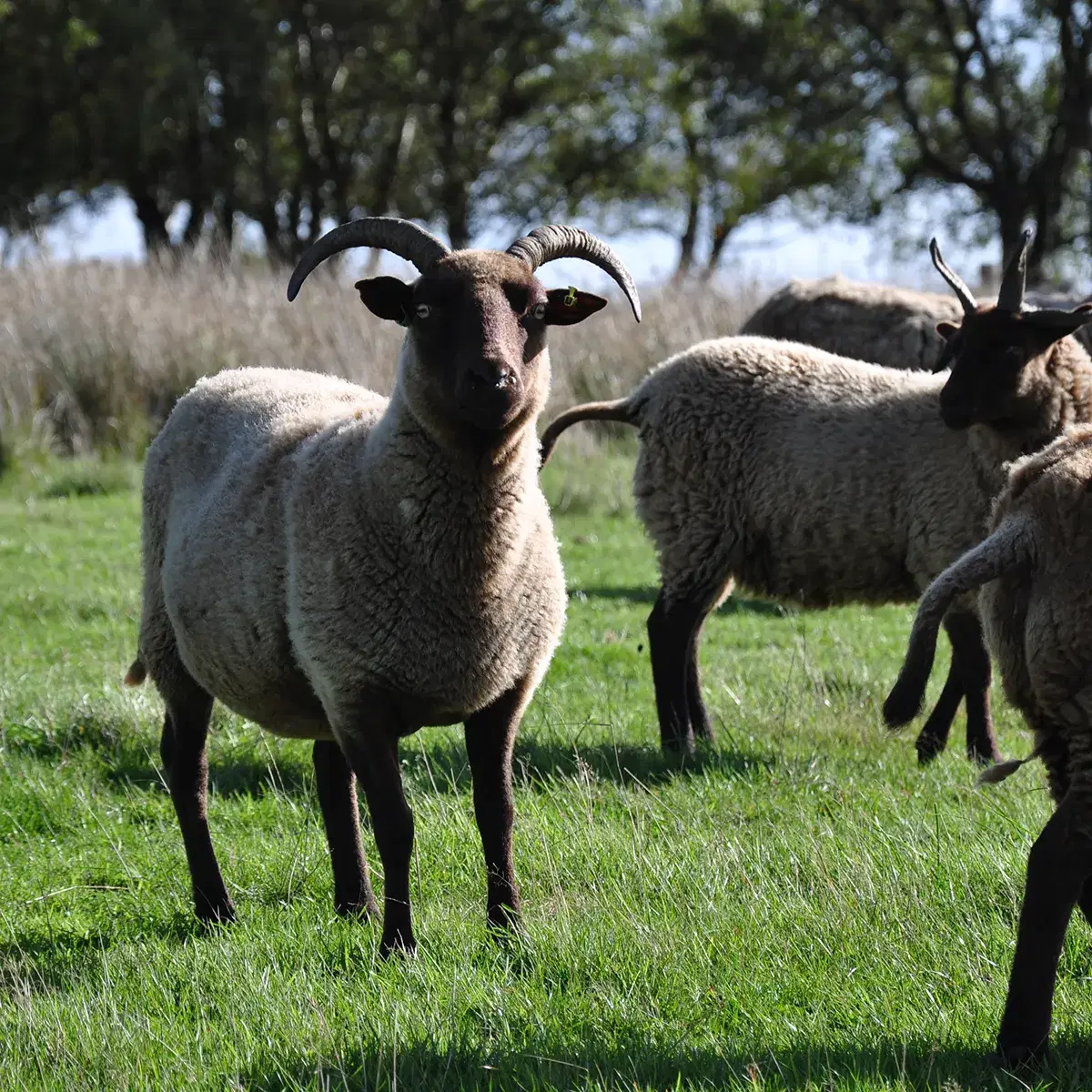
Our livestock will be healthy, living as naturally as possible and eating a natural grazing forage. Our forage will be full of diverse flora, including grasses, legumes and herbs to provide a rich nutrient dense and immune boosting food to our grazing stock.